
JetBlue Card vs JetBlue Plus Card
Annual fees: JetBlue Card $0/yr, JetBlue Plus Card $99/yr. Strongest bonus categories: JetBlue Card on dining, JetBlue Plus Card on dining.
Card data as of October 12, 2026.
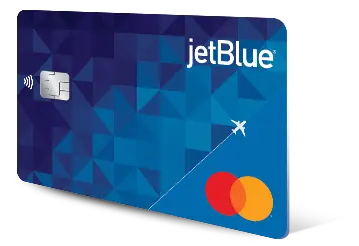 JetBlue Card
Barclays · No annual fee
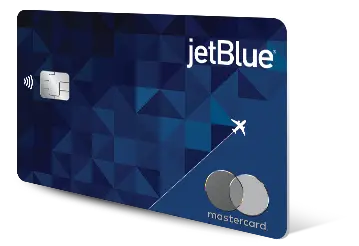 JetBlue Plus Card
Barclays · $99/yr
Overview
- Annual fee
- JetBlue Card$0LowestJetBlue Plus Card$99
- Welcome offerCurrent public offer
- JetBlue Card10,000 pointsJetBlue Plus Card70,000 points
- Rewards
- JetBlue CardJetBlue TrueBlue Rewards ProgramJetBlue Plus CardJetBlue TrueBlue Rewards Program
- Foreign transaction fee
- JetBlue CardNoneJetBlue Plus CardNone
- Network
- JetBlue CardMastercard WorldJetBlue Plus CardMastercard World Elite
Earn ratesPer $1 spent
- Dining
- JetBlue Card2xJetBlue Plus Card2x
- Grocery Stores
- JetBlue Card2xJetBlue Plus Card2x
- Everything else
- JetBlue Card1xJetBlue Plus Card1x
Statement creditsAs the issuer states them · — means none on record
- Travel
- JetBlue Card—JetBlue Plus Card
- $100 JetBlue Vacations
Perks & access— means none on record
- Hotel status & programs
- JetBlue Card
- Earn toward Mosaic status with every purchase
JetBlue Plus Card— - Airline perks
- JetBlue Card
- Save 50% on inflight food and beverages
JetBlue Plus Card- Save 50% on inflight food and drinks
- First checked bag free for cardholder plus 3 companions
- Other perks
- JetBlue Card
- No foreign transaction fees
JetBlue Plus Card- No foreign transaction fees
Protections & insuranceLimits where published · — means none on record
- Purchase & returns
- JetBlue Card
- Zero Liability on unauthorized transactions
JetBlue Plus Card—
Pros & cons
- Pros
- JetBlue Card
- No annual fee makes it easy to keep long-term
- Earn toward Mosaic status with every purchase
- 3x points on JetBlue purchases
- 2x points at restaurants and grocery stores
- 50% off inflight food and beverages
JetBlue Plus Card- 6x points on JetBlue purchases provides strong earning rate
- Free first checked bag extends to up to 3 companions on same reservation
- 10% points back when redeeming for JetBlue award flights
- 50% off eligible inflight food and drinks
- 5,000 anniversary bonus points each year
- Cons
- JetBlue Card
- No free checked bag
- No priority boarding benefit
- Lower 10,000 point welcome bonus compared to JetBlue Plus
- No points back on award flights (the Plus, Premier and Business cards have it)
- Only 1x points on non-bonus categories
JetBlue Plus Card- $99 annual fee may not be justified for occasional flyers
- No lounge access benefit
- No companion certificate
- No priority boarding
- Only 2x points on restaurants and groceries (same as no-fee card)
Year One vs Ongoing Value
Modeled net value (bonus categories at unconditional rates, caps applied). Spend mix: dining 15%, groceries 15%, gas 10%, travel 10%, everything else 50%. Statement credits use the same recurring usable estimates as each card's detail page; first-year-only credits count in year one only. Welcome offers valued at each card's program rate shown on this page.
Ongoing value favors the JetBlue Card; year-one value favors the JetBlue Plus Card.
| Scenario | JetBlue Card | JetBlue Plus Card | Ongoing winner | Year-one winner |
|---|---|---|---|---|
| Light spender: $1,000/month | Rewards: $211 Credits (our usable estimate): $0 − Annual fee ($0) Ongoing: $211 Year one: $346 | Rewards: $211 Credits (our usable estimate): $5 − Annual fee ($99) Ongoing: $117 Year one: $1,062 | JetBlue Card | JetBlue Plus Card |
| Heavy spender: $4,000/month | Rewards: $842 Credits (our usable estimate): $0 − Annual fee ($0) Ongoing: $842 Year one: $977 | Rewards: $842 Credits (our usable estimate): $5 − Annual fee ($99) Ongoing: $748 Year one: $1,693 | JetBlue Card | JetBlue Plus Card |
Is the Fee Difference Worth It?
The JetBlue Plus Card costs $99/yr — that's $99 more than the JetBlue Card (no annual fee). To justify that gap, you need to extract at least $99 in annual value from the card's higher earn rates and benefits.
The JetBlue Plus Card includes travel credits, free checked bags. Those perks are not included in the earn-rate scenario table above — compare their dollar value to the $99 fee gap for your own usage.
Bottom line: Use the year-one vs ongoing table for modeled earn value at your spend level. The $99 fee gap means the JetBlue Plus Card needs roughly $99 more in annual rewards (or credits you will use) to break even on dining and grocery stores and everyday spend.
What You Give Up
Choosing one card means missing out on these benefits from the other.
Choosing JetBlue Card means losing:
- -Free checked bags
The Bottom Line
Ongoing value favors the JetBlue Card; year-one value favors the JetBlue Plus Card.
Published annual fees: JetBlue Card $0/yr, JetBlue Plus Card $99/yr — a $99 difference before welcome offers and credits.
Frequently Asked Questions
- Is the JetBlue Plus Card worth the higher annual fee?
- The JetBlue Plus Card costs $99/yr vs $0/yr for the JetBlue Card. Compare the year-one vs ongoing value table on this page — the $99 gap must be offset by higher earn rates, welcome offers, or credits you will use (the JetBlue Plus Card also lists travel credits).
- Which card earns more rewards, the JetBlue Card or JetBlue Plus Card?
- Both cards earn 1X on everyday purchases. The difference is in bonus categories — check the earn rate comparison above for a full breakdown.
- What benefits does the JetBlue Card have that the JetBlue Plus Card doesn't?
- The JetBlue Card focuses on earn rates, while the JetBlue Plus Card offers travel credits.
- Should I get the JetBlue Card or the JetBlue Plus Card?
- Use the spend scenarios on this page: the JetBlue Card has a lower $0/yr fee; the JetBlue Plus Card must earn enough extra (or offer a larger welcome bonus) to justify $99/yr.
Editorial disclosure: CardRewards.ai is an independent comparison service. Card data comes from issuers' published terms; catalog last published October 12, 2026, and each card page shows when its terms were last checked. Card issuers do not influence our rankings or content.