Editorial disclosure: CardRewards.ai is an independent comparison service. Our analysis is based on publicly available card data and is reviewed regularly by our editorial team. Card issuers do not influence our rankings or content. Last updated: May 2026.
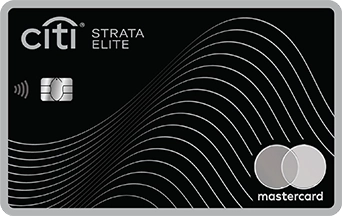
The Citi Strata Elite℠ Card ($595/yr) is better for everyday value, while the Chase Sapphire Reserve ($795/yr) is worth it for frequent travelers who can use its premium perks. Here's the full comparison.
Annual Fee
Welcome Bonus
| Category | Chase Sapphire Reserve | Citi Strata Elite℠ Card |
|---|---|---|
| Dining Citi Nights | 1X | 6X |
Both cards win in 2 categories each — it comes down to which categories matter most to you.
Hotels
Chase Sapphire Reserve earns 4X vs 1.5X
Flights
Chase Sapphire Reserve earns 4X vs 1.5X
Dining Citi Nights
Citi Strata Elite℠ Card earns 6X vs 1X
Everyday purchases
Citi Strata Elite℠ Card earns 1.5X on all other spending vs 1X
The Chase Sapphire Reserve costs $795/yr — that's $200 more than the Citi Strata Elite℠ Card ($595/yr). To justify that gap, you need to extract at least $200 in annual value from the card's higher earn rates and benefits.
The Chase Sapphire Reserve offers travel credits, lounge access, Global Entry/TSA PreCheck credit. With 3 premium perks, heavy spenders on hotels and flights can often offset the full fee.
Bottom line: The $200 difference is moderate. If you spend consistently on hotels and flights, the Chase Sapphire Reserve's higher earn rates and benefits can easily cover the gap.

Choosing one card means missing out on these benefits from the other.
Choosing Citi Strata Elite℠ Card means losing:
The Citi Strata Elite℠ Card has a lower annual fee ($595 vs $795), making it the more accessible option.
The Chase Sapphire Reserve justifies its higher fee with premium perks like lounge access and travel credits.
For everyday spending, the Citi Strata Elite℠ Card earns more with its 1.5X base rate.
Choose the Citi Strata Elite℠ Card if you want solid rewards with a lower cost of entry. Choose the Chase Sapphire Reserve if you travel frequently and can maximize its premium benefits.
Editorial disclosure: The analysis on this page is based on publicly available card data and is updated regularly. CardRewards.ai is an independent comparison service. Card issuers do not influence our rankings or editorial content. Last updated: May 2026.
The Citi Strata Elite℠ Card ($595/yr) is better for everyday value, while the Chase Sapphire Reserve ($795/yr) is worth it for frequent travelers who can use its premium perks. Here's the full comparison.
Annual Fee
Welcome Bonus
| Category | Chase Sapphire Reserve | Citi Strata Elite℠ Card |
|---|---|---|
| Dining Citi Nights | 1X | 6X |
Both cards win in 2 categories each — it comes down to which categories matter most to you.
Hotels
Chase Sapphire Reserve earns 4X vs 1.5X
Flights
Chase Sapphire Reserve earns 4X vs 1.5X
Dining Citi Nights
Citi Strata Elite℠ Card earns 6X vs 1X
Everyday purchases
Citi Strata Elite℠ Card earns 1.5X on all other spending vs 1X
The Chase Sapphire Reserve costs $795/yr — that's $200 more than the Citi Strata Elite℠ Card ($595/yr). To justify that gap, you need to extract at least $200 in annual value from the card's higher earn rates and benefits.
The Chase Sapphire Reserve offers travel credits, lounge access, Global Entry/TSA PreCheck credit. With 3 premium perks, heavy spenders on hotels and flights can often offset the full fee.
Bottom line: The $200 difference is moderate. If you spend consistently on hotels and flights, the Chase Sapphire Reserve's higher earn rates and benefits can easily cover the gap.
Choosing one card means missing out on these benefits from the other.
Choosing Citi Strata Elite℠ Card means losing:
The Citi Strata Elite℠ Card has a lower annual fee ($595 vs $795), making it the more accessible option.
The Chase Sapphire Reserve justifies its higher fee with premium perks like lounge access and travel credits.
For everyday spending, the Citi Strata Elite℠ Card earns more with its 1.5X base rate.
Choose the Citi Strata Elite℠ Card if you want solid rewards with a lower cost of entry. Choose the Chase Sapphire Reserve if you travel frequently and can maximize its premium benefits.
Editorial disclosure: The analysis on this page is based on publicly available card data and is updated regularly. CardRewards.ai is an independent comparison service. Card issuers do not influence our rankings or editorial content. Last updated: May 2026.
The Citi Strata Elite℠ Card ($595/yr) is better for everyday value, while the Chase Sapphire Reserve ($795/yr) is worth it for frequent travelers who can use its premium perks. Here's the full comparison.
Annual Fee
Welcome Bonus
| Category | Chase Sapphire Reserve | Citi Strata Elite℠ Card |
|---|---|---|
| Dining Citi Nights | 1X | 6X |
Both cards win in 2 categories each — it comes down to which categories matter most to you.
Hotels
Chase Sapphire Reserve earns 4X vs 1.5X
Flights
Chase Sapphire Reserve earns 4X vs 1.5X
Dining Citi Nights
Citi Strata Elite℠ Card earns 6X vs 1X
Everyday purchases
Citi Strata Elite℠ Card earns 1.5X on all other spending vs 1X
The Chase Sapphire Reserve costs $795/yr — that's $200 more than the Citi Strata Elite℠ Card ($595/yr). To justify that gap, you need to extract at least $200 in annual value from the card's higher earn rates and benefits.
The Chase Sapphire Reserve offers travel credits, lounge access, Global Entry/TSA PreCheck credit. With 3 premium perks, heavy spenders on hotels and flights can often offset the full fee.
Bottom line: The $200 difference is moderate. If you spend consistently on hotels and flights, the Chase Sapphire Reserve's higher earn rates and benefits can easily cover the gap.
Choosing one card means missing out on these benefits from the other.
Choosing Citi Strata Elite℠ Card means losing:
The Citi Strata Elite℠ Card has a lower annual fee ($595 vs $795), making it the more accessible option.
The Chase Sapphire Reserve justifies its higher fee with premium perks like lounge access and travel credits.
For everyday spending, the Citi Strata Elite℠ Card earns more with its 1.5X base rate.
Choose the Citi Strata Elite℠ Card if you want solid rewards with a lower cost of entry. Choose the Chase Sapphire Reserve if you travel frequently and can maximize its premium benefits.
Editorial disclosure: The analysis on this page is based on publicly available card data and is updated regularly. CardRewards.ai is an independent comparison service. Card issuers do not influence our rankings or editorial content. Last updated: May 2026.
| Flights | 4X | 1.5X |
| Hotels | 4X | 1.5X |
| Dining | 3X | 3X |
| Everything Else | 1X | 1.5X |
Network
Key Benefits
Pros
Cons
Get the Chase Sapphire Reserve if you:
Get the Citi Strata Elite℠ Card if you:
| Flights | 4X | 1.5X |
| Hotels | 4X | 1.5X |
| Dining | 3X | 3X |
| Everything Else | 1X | 1.5X |
Network
Key Benefits
Pros
Cons
Get the Chase Sapphire Reserve if you:
Get the Citi Strata Elite℠ Card if you:
| Flights | 4X | 1.5X |
| Hotels | 4X | 1.5X |
| Dining | 3X | 3X |
| Everything Else | 1X | 1.5X |
Network
Key Benefits
Pros
Cons
Get the Chase Sapphire Reserve if you:
Get the Citi Strata Elite℠ Card if you: