Editorial disclosure: CardRewards.ai is an independent comparison service. Card data comes from issuers' published terms; data as of September 27, 2026. Card issuers do not influence our rankings or content.
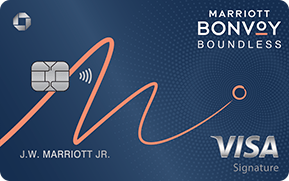
Annual fees: Chase Sapphire Reserve $795/yr, Marriott Bonvoy Boundless Credit Card $95/yr. Strongest bonus categories: Chase Sapphire Reserve on travel, Marriott Bonvoy Boundless Credit Card on dining.
Card data as of September 27, 2026.
Annual Fee
Welcome Bonus
| Category | Chase Sapphire Reserve | Marriott Bonvoy Boundless Credit Card |
|---|---|---|
| Flights | 4X | 2X |
| Hotels | 4X |
The Marriott Bonvoy Boundless Credit Card wins in 3 of 5 categories. The Chase Sapphire Reserve leads in 2. 1 more category depend on booking channel or caps.
Travel
Depends: via Chase Travel portal
Chase Sapphire Reserve earns 8X when conditions are met; Marriott Bonvoy Boundless Credit Card earns 2X (2X without restrictions)
Hotels
Chase Sapphire Reserve earns 4X vs 2X
Flights
Chase Sapphire Reserve earns 4X vs 2X
Gas Stations
Marriott Bonvoy Boundless Credit Card earns 3X vs 1X
3X up to $6,000/yr
Grocery Stores
Marriott Bonvoy Boundless Credit Card earns 3X vs 1X
3X up to $6,000/yr
Everyday purchases
Marriott Bonvoy Boundless Credit Card earns 2X on all other spending vs 1X
Modeled net value (bonus categories at unconditional rates, caps applied). Spend mix: dining 15%, groceries 15%, gas 10%, travel 10%, everything else 50%. Statement credits use the same recurring usable estimates as each card's detail page; first-year-only credits count in year one only. Welcome offers valued at each card's program rate shown on this page.
Modeled value is close across spend levels — especially once statement credits are counted.
Modeled value is close across spend levels — especially once statement credits are counted.
Everyday (non-bonus) spend earns 2X on the Marriott Bonvoy Boundless Credit Card vs 1X on the other card.
Published annual fees: Chase Sapphire Reserve $795/yr, Marriott Bonvoy Boundless Credit Card $95/yr — a $700 difference before welcome offers and credits.
| 2X |
| Dining | 3X | 3X |
| Gas Stations | 1X | 3X |
| Grocery Stores | 1X | 3X |
| Everything Else | 1X | 2X |
Network
Key Benefits
Pros
Cons
| Scenario | Chase Sapphire Reserve | Marriott Bonvoy Boundless Credit Card | Ongoing winner | Year-one winner |
|---|---|---|---|---|
| Light spender: $1,000/month | Rewards: $281 Credits (our usable estimate): $1,218 − Annual fee ($795) Ongoing: $704 Year one: $2,554 | Rewards: $168 Credits (our usable estimate): $75 − Annual fee ($95) Ongoing: $148 Year one: $148 | Close — depends on how much of the credits you use | Chase Sapphire Reserve |
| Heavy spender: $4,000/month | Rewards: $1,123 Credits (our usable estimate): $1,218 − Annual fee ($795) Ongoing: $1,546 Year one: $3,396 | Rewards: $672 Credits (our usable estimate): $75 − Annual fee ($95) Ongoing: $652 Year one: $652 | Chase Sapphire Reserve | Chase Sapphire Reserve |
The Chase Sapphire Reserve costs $795/yr — that's $700 more than the Marriott Bonvoy Boundless Credit Card ($95/yr). To justify that gap, you need to extract at least $700 in annual value from the card's higher earn rates and benefits.
The Chase Sapphire Reserve includes travel credits, dining credits, lounge access, Global Entry/TSA PreCheck credit. Those perks are not included in the earn-rate scenario table above — compare their dollar value to the $700 fee gap for your own usage.
Bottom line: Use the year-one vs ongoing table for modeled earn value at your spend level. The $700 fee gap means the Chase Sapphire Reserve needs roughly $700 more in annual rewards (or credits you will use) to break even on travel and hotels and everyday spend.
Choosing one card means missing out on these benefits from the other.
Choosing Marriott Bonvoy Boundless Credit Card means losing:
Get the Chase Sapphire Reserve if you:
Get the Marriott Bonvoy Boundless Credit Card if you:
Editorial disclosure: CardRewards.ai is an independent comparison service. Card data comes from issuers' published terms; data as of September 27, 2026. Card issuers do not influence our rankings or content.